The History of Jordan Brand: From the Arena to Street Culture
Scarcely any labels in the history of athletic footwear have attained the cultural dominance of Jordan Brand. What started as a dedicated basketball shoe deal in 1984 has transformed into a colossal enterprise that goes beyond sports, fashion, and entertainment. In 2026, Jordan Brand consistently bring in over $6 billion in annual revenue for Nike, a tribute to its lasting significance across generations. The narrative of how a single pair of trainers transformed the entire landscape of sports marketing continues to be one of the most captivating chapters in present-day business history. Tracing the progression from the playing courts to the catwalks uncovers how true passion, ingenuity, and cultural relevance can forge something undeniably permanent. This article charts that remarkable evolution period by period.
The Dawn of a Legacy: 1984–1985
In 1984, Nike was not the dominant force it is today — the company was really hemorrhaging market share to Converse and Adidas in the basketball category. Seeking a bold solution, Nike’s Sonny Vaccaro influenced the company to channel its entire basketball budget into a single rookie: Michael Jordan. The inaugural Air Jordan I, designed by Peter Moore, overturned every NBA rule with its audacious black and red colorway, generating Jordan a $5,000 fine per game for defying the league’s uniform policy. Nike leveraged that controversy into marketing gold with the legendary “Banned” campaign, and the shoe sold $126 million in its first year alone — explore blowing past the projected $3 million. The cultural impact was instantaneous: teenagers waited outside stores, and basketball shoes suddenly became prestige items rather than basic sports gear. That solitary decision to bet everything on one athlete permanently redefined how sports brands approach endorsement deals to this day.
Forging the Dynasty: The Late 1980s and 1990s
With each new design dropped alongside Michael Jordan’s championship runs, the Air Jordan line advanced both in innovation and visually. The Air Jordan III, designed by the visionary Tinker Hatfield in 1988, launched the visible Air unit, elephant print, and the world-renowned Jumpman logo that succeeded the original Wings branding. By the time the Air Jordan IV arrived in 1989, the shoes had become staples in urban music culture — Spike Lee’s “Mars Blackmon” character became deeply connected to the brand through memorable television commercials. The 1990s saw Jordan win six NBA championships, and each Finals victory was accompanied by a new shoe that fans flocked to purchase. Sales numbers tell the story: the Air Jordan XI alone pulled in over $200 million in 1996, crowning it the top-selling sneaker of that era. The intersection of athletic excellence and style influence created a self-reinforcing cycle that no opponent could emulate.
Jordan Brand Evolves Into Its Own Entity
In 1997, Nike publicly carved Jordan Brand into a independent subsidiary, providing it with unmatched autonomy within the parent company. This strategy permitted the brand to sign its own roster of athletes, starting with Derek Jeter, Ray Allen, and later growing to encompass Carmelo Anthony and Chris Paul. The decision demonstrated itself as visionary — by operating semi-independently, Jordan Brand could develop its own unique voice without being watered down by the broader Nike portfolio. Revenue broke through $1 billion annually by 2010, cementing Jordan Brand as one of the most financially powerful entities in all of sports business. The independent structure also allowed for more targeted marketing that resonated with the main consumers of basketball enthusiasts and sneaker enthusiasts. By 2026, the brand backs over 30 professional athletes across basketball, baseball, and football, extending its reach far beyond its basketball beginnings.
The Sneaker Culture Explosion
The rise of sneaker culture from a fringe community to a cultural powerhouse owes an significant debt to Jordan Brand. Resale platforms like StockX and GOAT, which together handle billions of dollars in transactions annually, were virtually driven by the back of Air Jordan hype. Limited-edition “retro” drops — re-issues of heritage designs — produced a supply-limited market where certain colorways increase in worth like luxury collectibles. The Air Jordan 1 “Chicago,” originally retailing for $65 in 1985, now achieves prices exceeding $5,000 on the secondary market depending on condition and size. Sneaker conventions, YouTube unboxing channels, and niche social media accounts with millions of followers all link their origins back to the frenzy surrounding Jordan releases. This market produces an estimated $10 billion globally in resale value as of 2026, with Air Jordans perennially representing the most actively exchanged and most prized segment of the market.
From Basketball to the Runway
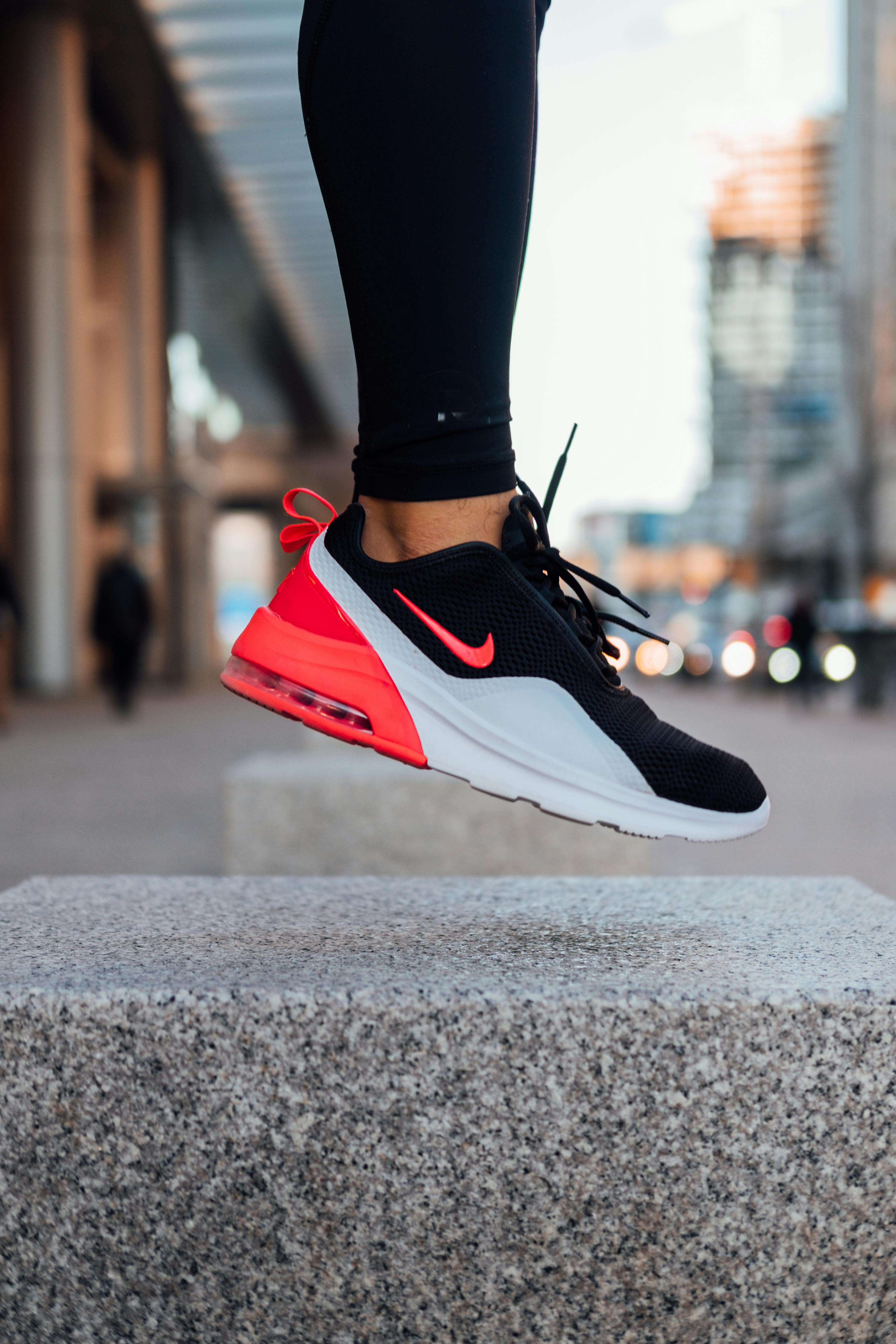
Jordan Brand’s transition into high fashion constitutes perhaps its most surprising accomplishment. Creative partnerships with luxury brands like Dior, which released a limited Air Jordan 1 in 2020 for $2,000 retail (now reselling for over $10,000), confirmed that kicks had been completely embraced by the fashion elite. Virgil Abloh’s Off-White x Jordan collaborations additionally softened the line between streetwear and haute couture, with avant-garde designs that pushed against traditional sneaker visual conventions. Travis Scott’s sustained partnership with Jordan Brand has delivered some of the most in-demand releases of the 2020s, with his distinctive designs emerging as immediate collector’s items. Star endorsement extends beyond official partnerships — Air Jordans consistently grace red carpets, in music videos, and in couture editorial shoots. The sneakers that were once prohibited on NBA courts are now embraced in the most elite fashion circles around the world. This shift from athletic equipment to fashion staple is arguably the most important shift in footwear history.
Impact on Communities and Representation
Beyond commercial success and culture, Jordan Brand has made noteworthy commitments in community development and representation. The brand’s commitment to historically Black colleges and universities (HBCUs) has resulted in multi-year sponsorship deals with universities like Howard University and North Carolina A&T, equipping athletes with elite equipment and nationwide visibility. The Jordan Wings program has poured over $100 million in grassroots efforts centered on education, mentorship, and career development since its founding. In 2020, Michael Jordan personally pledged $100 million over ten years to causes advocating for racial equality and social justice. The brand has also been purposeful about broadening its athlete roster and design team, understanding that genuine connection necessitates representation at every level of the organization. These actions show that Jordan Brand’s cultural reach reaches much further than product sales into meaningful social impact that connects with its impact-focused consumer base.
| Decade | Key Milestone | Cultural Legacy | Est. Annual Revenue |
|---|---|---|---|
| 1980s | Air Jordan I debut; NBA ban drama | Beginning of sneaker culture and athlete branding | $100–200M |
| 1990s | Six championships; Jumpman logo; AJ XI phenomenon | Shoes transform into hip-hop wardrobe essentials | $500M–$1B |
| 2000s | Retro releases begin; brand signs cross-sport athletes | Collector market and aftermarket trading develop | $1B–$2B |
| 2010s | Off-White and Travis Scott collabs; Dior partnership | High fashion crossover; global streetwear influence | $3B–$4B |
| 2020s | $6B+ revenue; HBCU partnerships; women’s line broadening | Community investment; inclusivity; online sneaker community | $5B–$6.6B |
The Road Ahead of Jordan Brand in 2026 and Beyond
As Jordan Brand embarks on its fifth decade, the concern of sustained relevance without Michael Jordan’s on-court role on the court has been clearly answered — the brand is greater than any single athlete. New signing classes including up-and-coming NBA stars like Victor Wembanyama promise that the athletic legitimacy endures for the next generation. Digital technology, including virtual try-on features and blockchain-verified authentication for limited releases, places the brand at the leading edge of retail advancement. Women’s Jordan products make up the most dynamic segment, with a 40% increase in sales between 2023 and 2025, reflecting a deliberate push toward broader representation in sizing and design. Sustainability initiatives, including the use of recycled materials in select models, respond to the escalating consumer appetite for green manufacturing. The Jordan Brand saga is fundamentally one of cultural magic — converting leather, rubber, and Air cushioning into tokens of dreams, individuality, and togetherness that connect across every corner of the globe.
Leave a Reply